
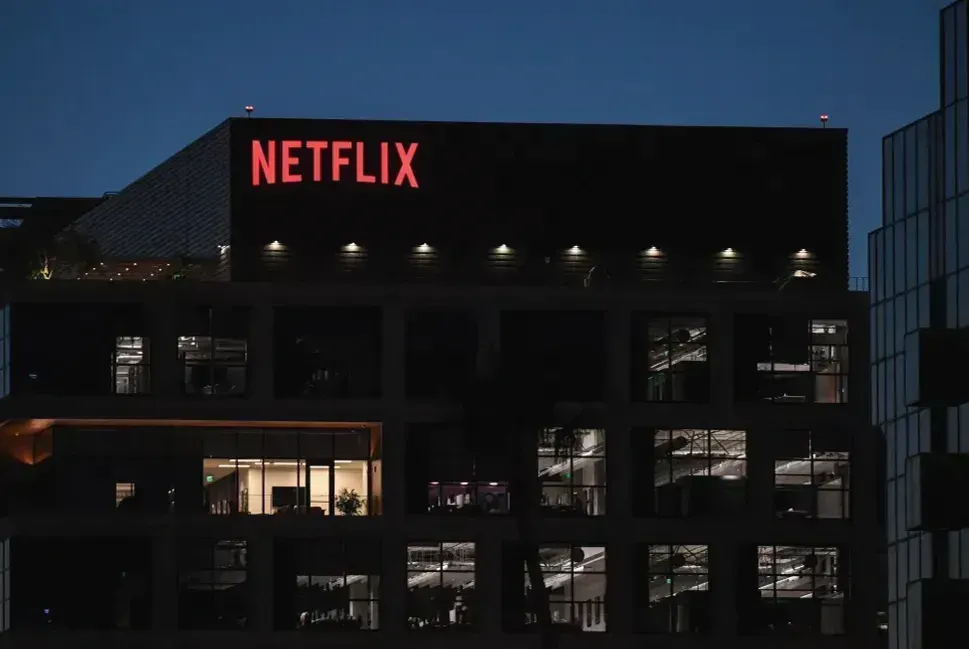
Netflix found itself in a paradoxical position this week, watching its stock slide in after-hours trading even as its third-quarter financial results appeared healthy on the surface. The company reported earnings per share of 87 cents, comfortably beating Wall Street expectations, while revenue climbed 12 percent year-over-year to reach 12.87 billion dollars. However, investors looked past these immediate wins and focused instead on a sobering outlook for the remainder of the year.
The primary source of anxiety stems from lowered guidance for the fourth quarter and a dip in projected advertising sales for 2026, which were scaled back from 3 billion to 2.7 billion dollars. Management attributed the shortfall to delays in rolling out specific ad product capabilities and the costs associated with recent workforce reductions. These figures follow a tumultuous period for the streaming giant, marked by the layoff of roughly 1,000 employees and a leadership shakeup that saw content chief Bela Bajaria replaced by Peter Rice.
Internally, leadership is grappling with a plateau in domestic viewership growth. Co-CEO Ted Sarandos admitted that viewing hours haven’t increased as quickly as he would like, leading to concerns that the platform is losing momentum against rivals like YouTube. While international markets remain a bright spot—with non-English content now making up over a third of total views through hits in Japan, Denmark, and Mexico—the U.S. market feels increasingly stagnant.
This volatility comes during a broader era of transition for Netflix, which has seen its stock drop 40 percent over the last year. From failed bids for major acquisitions to shifts in pricing strategies, the company is fighting to maintain its dominance in an oversaturated market. As Netflix attempts to pivot toward higher engagement and refined ad tools, it finds itself once again navigating the kind of public scrutiny and corporate restructuring that has defined several chapters of its history.
